
Protect the morning that matters
I would identify whether slow mornings are a preference or essential to enjoying the trip. An excursion you genuinely want may justify an early start, but repeated early meetings deserve more weight.

I would choose by daily timetable, not destination names alone. Match excursion meetings, port departures and consecutive shore days to your pace, then consider where sea days fall. Longer sailings are not automatically restful; more ports help only if you want those outings.
I approach choosing a cruise through your ideal vacation morning. For Long Island travelers, choosing a cruise may mean protecting leisurely breakfasts or accepting early meetings for meaningful visits. Destination names alone cannot tell me whether that routine fits.
My starting point for choosing a cruise is the sequence: when you explore, when you rest and what interrupts either. I would compare that pattern before letting ship attractions or advertised sailing length decide your trip.
I would identify whether slow mornings are a preference or essential to enjoying the trip. An excursion you genuinely want may justify an early start, but repeated early meetings deserve more weight.
I would examine where rest falls after demanding shore visits. Sea days at the beginning do not provide the same recovery as a break between active days.
I would distinguish port arrival, excursion meeting and required return times. Those times answer different questions about when your day starts and how much freedom remains.
I would picture what you want to do during an uninterrupted sea day. If that picture depends on a particular lounge, dining option or activity, the actual ship needs to support it.
I would not reject a busy itinerary simply because it requires effort. A demanding visit can be the right choice when it is central to why you are traveling.
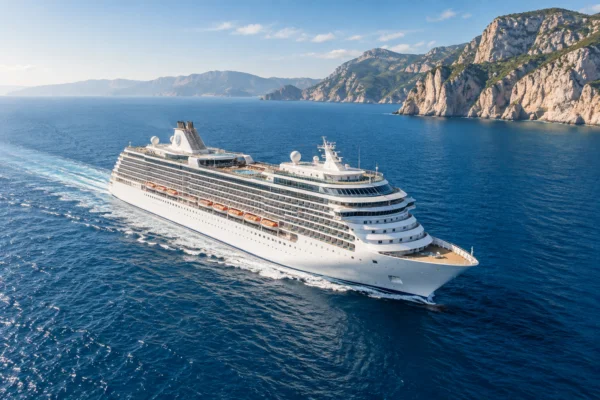
Large cruise ship sailing beside rocky cliffs in blue water Client photo (media library)
I would map the itinerary's shore visits, uninterrupted sea days and desired excursions. Consecutive active days create a different vacation from outings separated by recovery aboard, even when the destination count is identical.
I would distinguish ship arrival, excursion meeting and departure times. A late departure may allow an afternoon ashore without removing your tour's early start. Breakfast, preparation and reaching the meeting point also belong in that morning.
If exploration is your priority, I would favor enough usable time at your must-see destinations. If rest matters equally, I would prioritize breaks between demanding outings. A sea day before a busy stretch does not offer recovery during it.
I would distinguish scheduled sea days from port days spent aboard. Staying aboard can provide rest, but means passing up a destination. If that would disappoint you, a less crowded itinerary may be the better choice.
My deciding question is whether you would enjoy the sequence without needing to recover every evening. I would use the published timetable to narrow your shortlist, not as a guarantee that every stop or time will remain unchanged.
| Pattern | Best fit | Trade-off |
|---|---|---|
| Consecutive shore days | Frequent exploration | Less recovery between outings |
| Shore days separated by sea days | Exploration with breaks | Potentially fewer destinations |
| Consecutive sea days | Sustained onboard time | Greater reliance on ship amenities |
I would treat published port hours as the outside boundary, not your sightseeing allowance. Getting ashore, meeting an excursion and returning under the sailing's instructions all consume time within that window.
For priority stops, I would compare meeting times, transportation, walking requirements and return arrangements. A long stay can contain a tightly organized outing; a shorter visit may suit a simple activity that fits comfortably.
If a stop uses a tender instead of direct docking, I would examine transfer arrangements before planning an independent start. I would assume neither a universal waiting time nor identical access for every traveler.
My test is whether the visit leaves time for what you value, perhaps an unhurried meal ashore or a quiet afternoon aboard. I would weigh that freedom separately from an excursion's attraction count. An ambitious sightseeing list is useful only when you want to follow it.
For destination-focused travel, I would also compare European vacation planning. A cruise stop and a land stay serve different needs when your main interest requires more time than the port schedule allows, especially across several visits.

River cruise ship passing a hillside village and castle Client photo (media library)
I would choose the ship around your expected time aboard. For uninterrupted sea days, quiet spaces, dining arrangements and cabin location deserve as much attention as destinations. Numerous advertised activities do not automatically create a restful routine.
I would picture your preferred breakfast, reading spot, walk and evening, then compare the actual ship's deck plan and dining descriptions. The question is whether its spaces support that routine, not simply how many venues exist.
I would consider reservations and fare inclusions together. Depending on the booking, an appealing restaurant may require advance arrangements or an extra charge. I would weigh included dining against paid meals you expect to choose. Request a current quote from me, James McParland, reflecting those preferences.
I would trace routes from your proposed cabin to favorite spaces. Where mobility matters, I would seek specific accessibility details rather than infer suitability from a deck plan.
For family and group cruise planning, I would separate shared meals from optional activities. For a romantic getaway, I would favor room for unstructured time together, rather than an evening schedule you feel obliged to fill.
Suppose you want meaningful shore visits but dislike leaving breakfast early on successive mornings. I would compare a port-heavy sailing with one placing sea days between outings, using the excursions you actually intend to take.
If the port-heavy option offers your priority visits at acceptable meeting times, I would keep it in contention. Those destinations may justify an active sequence, particularly when some outings can remain short and leave the evening free.
If your chosen visits require repeated early meetings, I would favor recovery between them, provided the destinations still fulfill your trip's purpose. I would not treat fewer ports as automatically better: losing the visit that motivated your vacation is a substantial trade-off.
For almost entirely unstructured days, I would compare a Caribbean all-inclusive vacation rather than force port logistics into a trip centered on rest.
For destination-focused travel, I would also consider escorted tours and river cruises. I would still read their daily programs. A different format does not guarantee later starts or a gentler pace; the useful comparison remains the mornings, visits and breaks you will actually experience on vacation.
I would compare cruise packages against the experience you intend to use. Cabin category, travel dates and included services affect the quote; excursions and separately charged onboard purchases can increase the total beyond the fare.
My comparison would separate the sailing from flights, transfers, any pre-cruise stay and insurance. I would distinguish included dining from optional purchases rather than treat the word package as a complete description of your vacation costs.
More sea days do not automatically mean a cheaper trip. I would compare current quotes reflecting your intended activities, not just headline fares. For protection considerations, my agency's guide to travel insurance for a cruise offers relevant further reading.
I am James McParland, owner of Superior Travel Consultants. My specialties include cruises and groups, and I am a Virgin Voyages Seacademy Graduate. Those support a cruise discussion without making one operator the automatic choice.
I would use your preferred pace and dates to focus the comparison on proposed sailings. My goal is a schedule you understand and a current quote for the trip you want, including the activities that make it worthwhile.
Share the destination, dates and travel style you have in mind. A Superior Travel advisor will help turn the possibilities into one clear, personal plan.