
Match the penalty to your decision date
I would identify when you expect to know whether you can travel. A booking with flexibility today may still expose you to a penalty before that answer arrives.

I compare the cancellation penalty at payment with the penalty when your plans become certain. Earlier booking may preserve flexibility, but deposits can remain nonrefundable. Close-in booking may carry immediate penalties. Separate insurance offers potential reimbursement under its own terms, not a cruise-line refund.
I compare last-minute cruise vacations with advance booking by looking at cancellation exposure, not fare alone. For Long Island travelers considering last-minute cruise vacations, I focus on what you could lose if you cancel before your plans become certain.
I treat last-minute cruise vacations as a timing choice, not a savings promise. My specialties include cruises, the Caribbean and Hawaii; see my Fran Lozano advisor profile. I separate payment deadlines, supplier refund terms and separately purchased insurance to help you decide when to commit.
I would identify when you expect to know whether you can travel. A booking with flexibility today may still expose you to a penalty before that answer arrives.
I would read the deposit wording separately from the later cancellation schedule. An early booking can give you more time without making every payment refundable.
I would consider a future cruise credit useful only if its conditions fit another trip you could take. I would not count it as cash available to pay other bills.
I would describe the actual concern before considering insurance. A plan's covered reasons matter more than the general reassurance of having a policy.
I would include flights, hotels and other separately booked arrangements in the comparison. A cruise refund decision does not, by itself, tell you what happens to those payments.
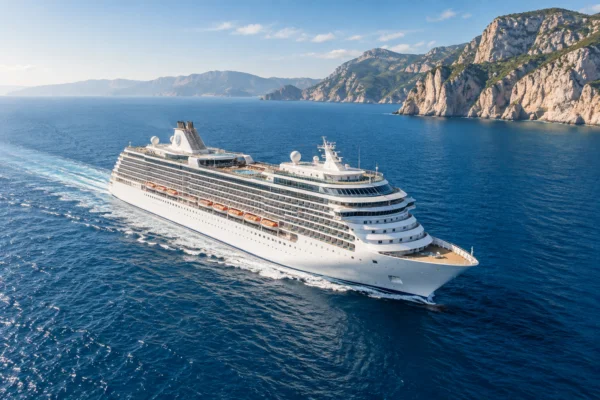
Large cruise ship sailing beside rocky coastal cliffs Client photo (media library)
I start with the sailing's cancellation schedule, not a universal definition of "last minute." Your booking date may fall before or inside a penalty period, while the selected fare may have separate nonrefundable conditions. Earlier booking offers flexibility only when the actual terms allow it.
I distinguish the final-payment deadline from the cancellation schedule. One tells you when the balance is due; the other identifies what you could lose by canceling on a particular date. Neither replaces the deposit conditions. I would compare all three before deciding that an earlier reservation protects your money.
For advance booking, I compare exposure at reservation with exposure at the next penalty deadline. Earlier commitment can be preferable if your plans will become certain while cancellation still means an acceptable loss. Any nonrefundable deposit remains part of that calculation, however distant departure may be.
For close-in booking, I focus on the penalty applying immediately. A new reservation does not necessarily create a fresh flexibility window. I would choose it only if the specified loss is acceptable; an appealing fare alone does not establish that.
I apply this comparison to river cruise planning using the itinerary's own conditions, not an ocean cruise's schedule. I keep potential insurance reimbursement separate from supplier refunds because it depends on the policy's coverage. The table compares booking choices without assuming any particular sailing offers refundable terms.
| Choice | Advantage | Trade-off | Decision test |
|---|---|---|---|
| Book earlier | Possible flexibility | Deposit may be nonrefundable | Certainty before penalties change? |
| Book close-in | Later decision | Possible immediate penalties | Loss acceptable at payment? |
| Wait | No commitment yet | Sailing not secured | Uncertainty outweighs securing the trip? |
| Choice | Advantage | Trade-off | Decision test |
|---|---|---|---|
| Book earlier | Possible flexibility | Deposit may be nonrefundable | Certainty before penalties change? |
| Book close-in | Later decision | Possible immediate penalties | Loss acceptable at payment? |
| Wait | No commitment yet | Sailing not secured | Uncertainty outweighs securing the trip? |
I read "refundable" alongside the payment it describes. A refundable deposit, fare and optional purchase are different promises. Wording about one component does not establish that the entire trip is refundable, or that the same conditions apply throughout the booking period.
I distinguish cash refunds from future cruise credit. Cash restores spending flexibility; credit depends on redemption conditions. I would weigh its expiration, eligible use and restrictions against another trip you could realistically take, rather than count it as money available for other expenses.
For a nonrefundable deposit, I consider the amount at risk and its treatment after cancellation or a reservation change. Moving to another sailing does not necessarily avoid a penalty. Deposit terms also do not establish what happens to the balance.
I separate voluntary cancellation from the cruise line canceling the voyage. Each event needs its applicable written terms; I would not promise identical outcomes.
For family and group cruise planning, I distinguish one traveler canceling from the whole reservation being canceled. That scope matters when comparing total exposure, because one person's changed plans do not establish how every payment will be treated.

River cruise ship passing a village beneath hillside vineyards Client photo (media library)
I do not describe insurance as changing the cruise line's contract. The supplier determines refunds under its booking terms; an insurer evaluates a claim under the purchased policy. Those are separate routes to recovering money, with different requirements and possible outcomes.
I start with your actual reason for possibly canceling. "I may need to cancel" is too broad to establish coverage. I compare the concern with covered reasons, exclusions and conditions rather than assume every understandable reason qualifies for reimbursement.
I distinguish standard trip cancellation coverage from any cancel-for-any-reason option. The actual option's availability, eligibility, purchase timing and reimbursement terms matter more than its name. I would not infer full reimbursement or unrestricted cancellation from that label.
For close-in booking, I would resolve this question before relying on protection when committing. Buying later does not necessarily preserve every option, and a concern already known to you may not be covered.
My cruise travel insurance guide offers a separate starting point. I compare policy wording alongside cruise terms, never substitute one for the other, or promise payment of a claim. Coverage suitability depends on the actual policy and circumstances.
Suppose your ability to travel depends on a pending work decision. You could book a near-departure sailing, reserve a later sailing or wait. I compare the expected answer date with each booking's penalty calendar, rather than assume either booking approach is automatically better.
If the close-in option carries a loss you could not comfortably absorb, I would not favor it just because its fare looks appealing. Purchase price and acceptable cancellation exposure are different measures of value.
I would favor the later sailing if cancellation remains acceptable until after the expected answer and its deposit conditions also fit. If penalties begin before that answer, booking earlier has not resolved the uncertainty.
If neither option fits, I would favor waiting. You would not have secured either sailing, and another suitable offer is not guaranteed. That trade-off may still be preferable to committing money you cannot accept losing.
If you also consider a Caribbean all-inclusive vacation, I compare its supplier terms independently. A different vacation type helps only when its actual cancellation conditions improve the fit. I would not assume a land vacation automatically provides more flexibility than a cruise.
I keep the selected sailing, fare conditions, payment schedule and cancellation terms together. A useful comparison identifies what is due now, what becomes due later and what you would lose at the cancellation dates relevant to your plans.
I separate inclusions from optional purchases and independently booked arrangements. Taxes, fees, transport and other quoted components may need their own treatment; I would not apply the cruise fare's penalty to every payment without checking the applicable wording.
I compare total commitment with cancellation exposure. Selected fare conditions and inclusions can change that balance, so I would use a current quote rather than a general cruise price to judge whether additional flexibility is worth paying for.
My cruise specialty provides a starting point at Superior Travel Consultants. For the broader choice between advisor assistance and handling a booking yourself, see why use a travel agent. Here, I focus on the terms governing your commitment.
You can request Fran Lozano and the sailing's written cancellation terms. I keep separate insurance questions distinct so potential coverage is not mistaken for a supplier refund promise when choosing your booking date.
Share the destination, dates and travel style you have in mind. A Superior Travel advisor will help turn the possibilities into one clear, personal plan.