
Protect your arrival evening
I would decide whether you want dinner at the hotel or simply a comfortable place to sleep. If dinner matters, match the expected arrival with the restaurant's confirmed service and reservation arrangements.

I would choose a luxury hotel for a short stay when its location, room comfort or confirmed facilities improve the time you actually have. Start with arrival and departure plans, subtract outings, and compare what remains with the amenities you want. A premium can make sense without using every facility.
I compare luxury hotels against your schedule before their photographs. For Long Island travelers, luxury hotels merit a closer look at room access, meal times and travel between planned outings.
I am James McParland, with Superior Travel Consultants, our Long Island travel agency. My approach to luxury hotels starts with your priorities: a comfortable room after traveling, an unhurried hotel afternoon or convenient sightseeing. Each calls for a different balance of location, comfort and facilities.
I would decide whether you want dinner at the hotel or simply a comfortable place to sleep. If dinner matters, match the expected arrival with the restaurant's confirmed service and reservation arrangements.
I would identify what you would do if an outdoor hotel afternoon became impractical. Choose an indoor alternative you would genuinely enjoy rather than counting every listed facility as equal value.
I would consider how you prefer to eat after a tiring journey or before an early start. A dining inclusion is less useful if its format or service times do not fit that moment.
I would evaluate photographs and descriptions for the quoted room category, not the hotel's most impressive suite. Pay attention to the layout and amenities attached to your actual reservation.
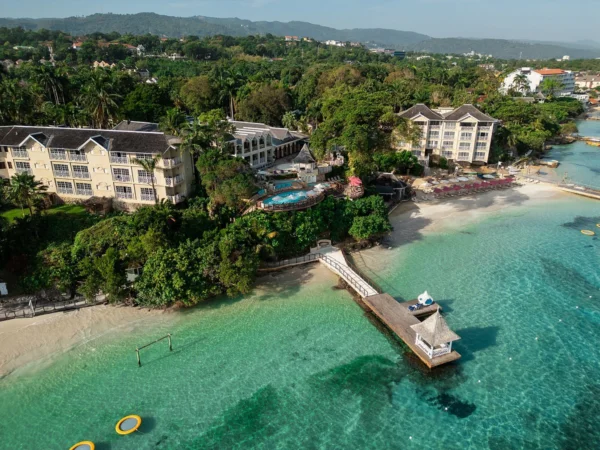
Aerial view of beachfront hotel buildings beside turquoise water Client photo (media library)
I would compare luxury hotels by usable time, not amenity lists. A comfortable room near your outings may contribute more than facilities your schedule leaves no time to enjoy.
I would work from expected hotel arrival to departure, setting aside transportation, sightseeing, meals elsewhere and sleep. Separate leisure windows from overnight hours: a room can be worthwhile for rest even without time for a pool or spa.
Imagine arriving after dinner, sightseeing the next day and leaving after breakfast. I would prioritize room comfort, location and breakfast that fits departure. A more distant property would need a benefit you value enough to justify extra travel.
With an afternoon free, I would give leisure facilities more weight, provided access fits that window. A listed spa does not establish appointment availability. Similarly, luggage storage does not provide a room for resting before check-in.
My deciding question is whether the premium improves something you will experience. I would favor room comfort for a rest-focused visit, or facilities for protected leisure time. Neither choice requires using every amenity, but each should serve a clear purpose within your schedule.
| Stay pattern | My priority | Less weight |
|---|---|---|
| Late arrival, early departure | Room comfort; confirmed arrival access | Facilities you cannot use |
| Sightseeing-focused | Location supporting your route | Amenities requiring changed outings |
| Hotel afternoon | Desired facilities and confirmed access | Unrelated extras |
| Stay pattern | Prioritize | Give less weight |
|---|---|---|
| Late arrival, early departure | Room comfort; confirmed arrival access | Facilities you cannot use |
| Sightseeing-focused | Location supporting your route | Amenities requiring changed outings |
| Hotel afternoon | Desired facilities; confirmed access | Unrelated extras |
I would map each hotel against the outings you intend to keep, rather than rely on a description such as central. The useful location is the one that supports your itinerary.
Compare arrival, the route to your main activity and departure. I would use travel-time estimates suited to your date, transportation and time of day; map distance alone does not show how a journey fits the visit.
Returning between activities changes the calculation. I would give proximity more weight if you want a rest, a change of clothes or a child's break before going out again. Repeated journeys can consume the leisure window that made a premium hotel appealing.
For a short stop within a European vacation, I would also consider the next stage. A pleasing room may be less attractive if its departure route complicates an early start.
A quieter setting can justify more travel when quiet is your priority. For sightseeing, I would favor convenient access instead. I would choose between those benefits explicitly, rather than assume the most appealing surroundings also offer the best base for your particular planned activities.
I would distinguish hotel arrival from room access. If you need to shower, sleep or settle children immediately, I would not build the day around an early-access request.
The quoted booking should establish whether access is confirmed, when it starts and any additional cost. Without secured access, I would choose a workable arrival plan instead of assuming the room will be ready.
Departure requires a separate decision. Keeping the room, storing luggage and using facilities after checkout are different arrangements. I would not treat confirmation of one as permission for the others.
For family travel or a hotel stay around a cruise, that distinction can determine suitability: leaving bags does not provide private space to rest before moving on.
I would match intended facility visits with opening times, reservations, age rules and access included in the selected room or rate. A pool afternoon needs a usable window, not merely a pool photograph.
If the spa or pool is your main reason for booking, I would settle access before choosing. If it is a bonus, I would prioritize a hotel that works comfortably without it.
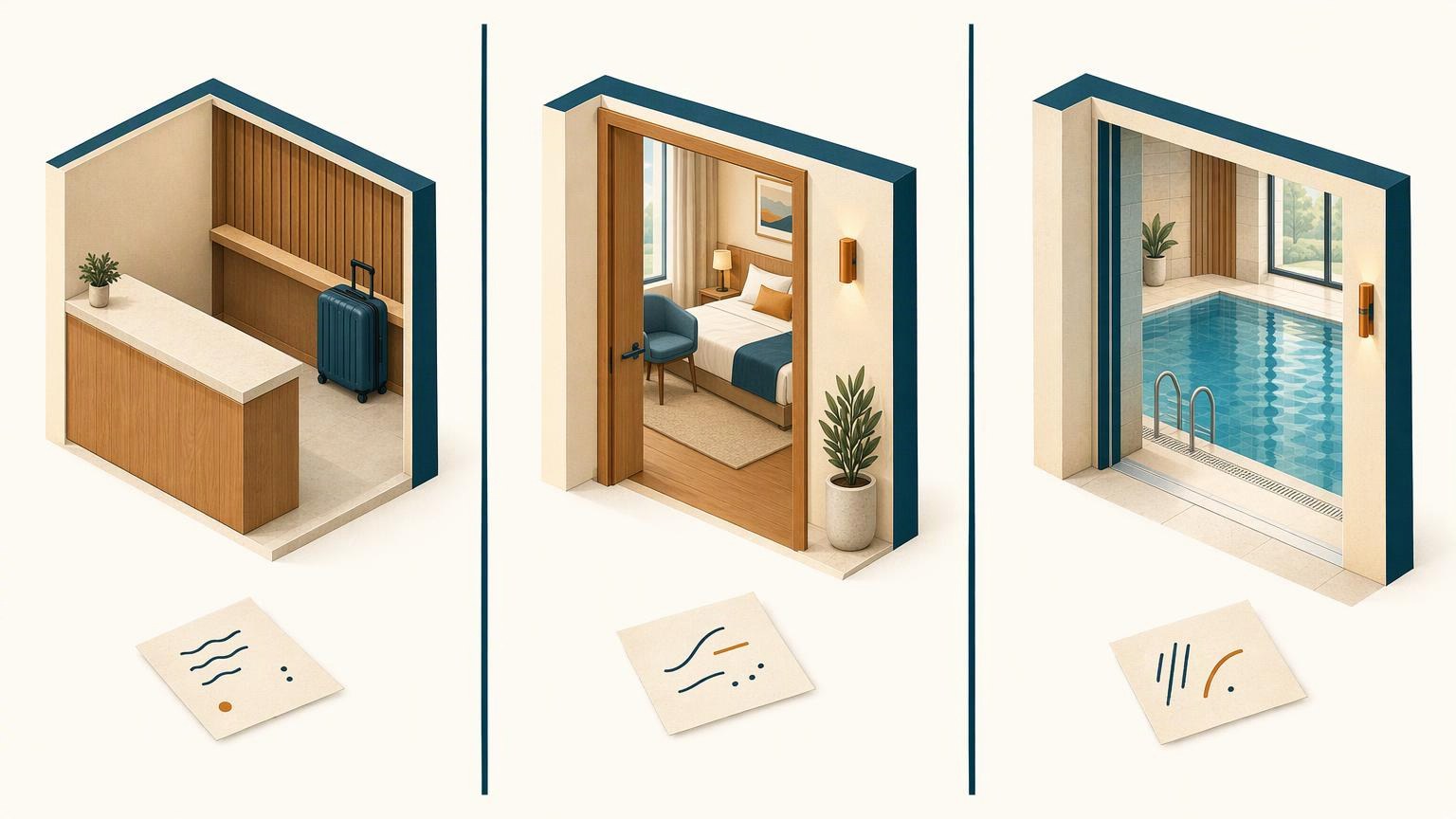
Illustration of three distinct spaces: a luggage alcove, a guest-room doorway and an indoor pool entrance, with separate abstract-marked paper slips below.
I would compare current quotes for identical dates, travelers and room arrangements. Room category, occupancy, meals, access benefits and cancellation terms explain what you purchase and can change the cost.
Include applicable taxes and mandatory charges in the lodging total. I would then consider transportation, meals and activities you still expect to buy, so a lower room rate does not disguise spending elsewhere.
Breakfast adds value only when you want it and its service fits your schedule. I would assess credits by eligible spending and conditions, not their headline amount.
For Caribbean and all-inclusive vacations, I would read the quoted inclusions rather than assume every experience is covered. A broad package may offer little advantage during a sightseeing-heavy stop.
I would compare room-only and inclusive options when both suit the itinerary. Eating elsewhere may favor the simpler rate; protected hotel time may favor inclusions. Neither is automatically cheaper or better. I would weigh complete costs against likely use and keep cancellation flexibility in the comparison when arrival plans remain uncertain, rather than value benefits you will skip.
Imagine a short couples visit: arrival after dinner, sightseeing the next day and departure the following morning. A resort-style hotel appeals, but no facility time is planned.
I would first preserve your preferred outing. You supply arrival and onward-travel details; I compare hotels against that schedule rather than shorten sightseeing to justify amenities.
Next, I would compare a conveniently located hotel with one chosen for facilities. With suitable rooms at both, I would favor location when facilities add little usable value.
Change the plan to an afternoon together at the hotel, and I would reconsider the facility-led property. Confirmed access and a complete quote within budget would then matter more.
For a romantic getaway, room comfort or private space can justify the premium. I would distinguish space you intend to enjoy from a suite selected mainly for impressive photographs.
Superior Travel Consultants provides customized planning, so I can integrate lodging priorities into your wider itinerary. My specialties include all-inclusive vacations, groups and cruises; I hold the Hilton Worldwide Specialist credential. For broader honeymoon and luxury escape planning, I would involve the agency team's relevant specialties.
Share the destination, dates and travel style you have in mind. A Superior Travel advisor will help turn the possibilities into one clear, personal plan.