
Solo cruise tips - Mary Susan Schilling, Superior Travel Consultants
For first-time solo cruisers who want a clear read on cabin choices, supplement trade-offs, and whether ship life will feel social, comfortable, or both.
By Mary Susan Schilling, Superior Travel Consultants
30 September 2026 · 8 minute read
For a first solo cruise, pick the ship and cabin strategy before you fall for the itinerary. The better choice usually has manageable supplement pricing, a cabin you will enjoy using, and an onboard atmosphere that matches how social or private you want the trip to feel.
Table of Contents
Good solo cruise tips start with price, not ports. The best solo cruise tips help you catch when a low fare becomes expensive after cabin rules, taxes, and supplement terms change the real total.
I use solo cruise tips to help Long Island travelers compare actual ships, so you can judge cabin comfort, social fit, and value before you book.
Key Insights
Ask for the one-person total
Headline fares can distort value. Ask for taxes, fees, and cabin category in one clear one-passenger quote before comparing sailings.
Match the cabin to your habits
If you mainly sleep there, save money. If daylight and quiet mornings matter, pay close attention to layout and location.
Treat sea days as a test
More sea days shift value onboard. Public spaces, dining rhythm, and daily activity choices matter more when the ship carries the trip.
Do not chase a deal blindly
A guarantee fare can reduce cost. It can also assign a cabin location you would never have picked for yourself.
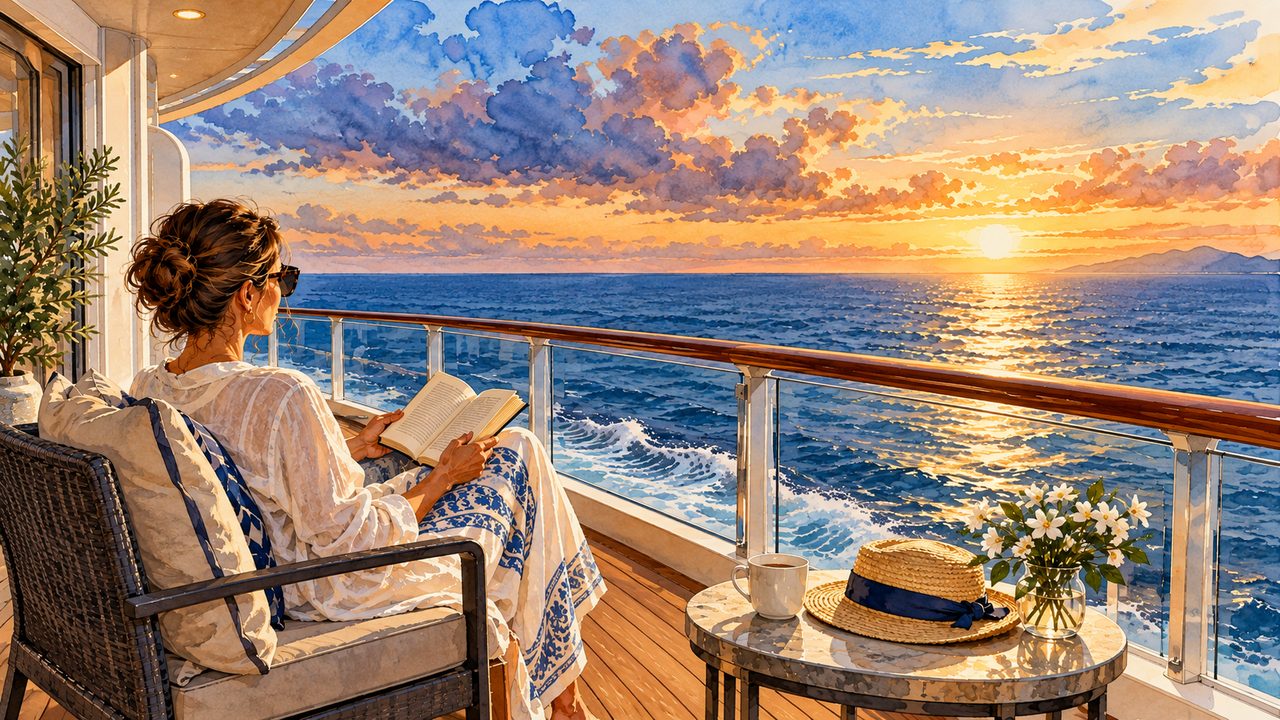
The balcony reading scene suits the question of cabin choice, comfort, and how you want to spend quiet time alone.
Which solo cruise tips matter before you book?
I tell first-time solo cruisers to rank the decision differently than the ads do. Start with supplement exposure, then cabin comfort, then ship atmosphere. Only after that should you compare itineraries. If one traveler is priced awkwardly, or the ship is built mostly around couples and groups, the nicest ports will not repair the experience.
A single supplement is the extra amount a line may charge when one person books a room designed for two. That is why a cruise that looks affordable in search results can feel very different once you price it honestly. Some cruise lines and sailings change the math with dedicated solo cabins or reduced-supplement promotions.
Cabin comfort comes next because you will use that space more than you expect. A traveler who plans to read, nap, or reset quietly after excursions may dislike a windowless room, even if the fare looks good. Someone who stays out late, joins activities, and treats the cabin as a sleeping space may do very well in an inside category.
If you want help sorting that order of decisions, start with Mary Susan Schilling. I focus on cruises and solo travelers, and I can help you compare fit before you commit to a ship.
Which cabin type makes sense for one traveler?
The best cabin for a solo traveler is usually the one that matches how you use downtime, not the one with the most status. I compare three practical choices first: dedicated solo cabins, standard inside or oceanview rooms, and balcony cabins. The right answer changes with your habits.
Dedicated solo cabins are often the cleanest option when available. They are built for one person, so the layout usually feels efficient and the supplement pressure may be lower. The trade-off is inventory. If you wait too long, those rooms can disappear first.
Standard inside or oceanview cabins work well when your real goal is value. An inside room can be smart on a port-heavy itinerary where you plan to shower, sleep, and head back out. Oceanview gives you daylight without moving all the way up to balcony pricing. That middle step matters for travelers who know they need natural light to feel comfortable.
A balcony is worth it when the cabin is part of the vacation. If you picture slow mornings, private coffee, or quiet time after dinner, that extra space may earn its cost. If not, it can become the upgrade you admire more than use.
| Cabin type | Best use | Main trade-off |
|---|---|---|
| Dedicated solo | Strong fit when priced fairly | Small inventory |
| Inside or oceanview | Budget control or daylight without balcony cost | May still carry a supplement |
| Balcony | Travelers who use the cabin for downtime | Higher fare |

A closer cup-and-hat vignette can help you evaluate whether solo cruising feels relaxing or more social.
How do single supplements work in real life?
Single supplements are easier to handle once you stop treating them like a mystery fee and start treating them as part of the cabin model. Most cruise rooms are priced around two passengers. When one person books that space, the line may charge extra because the cabin still takes inventory that could have been sold for double occupancy.
I usually compare three ways to reduce the impact. First, look for ships with true solo categories. Second, compare nearby sailings, because supplement levels can change by date and route. Third, decide whether you are comfortable with a guaranteed cabin, where the line assigns the exact room later.
That third option is where many first-timers need a reality check. A guarantee fare may save money, but you surrender control over location. If you are sensitive to motion, elevator traffic, or late-night noise, the cheaper quote may not be the better one. During the trip, cabin placement can matter more than expected.
I also tell travelers not to chase the words no supplement without context. A no-supplement sale on a less appealing room can still be weaker than a modest supplement on a better cabin. What matters is the full one-person value.
What is the onboard experience really like when you cruise alone?
Most first-time solo travelers worry about feeling awkward. In practice, cruise life gives you more control than many land trips because the day already has structure. You can go to breakfast, sit with a book on deck, join trivia, take an excursion, attend a show, or have dinner without having to build the social plan yourself.
The better question is not whether you will be alone. It is whether the ship gives you the kind of alone time you want. Some travelers want optional conversation, not a packed social calendar. Others want a ship with meetups, solo lounges, open seating, or enough activity that talking to people feels easy.
Sea days matter more than many first-timers realize. On a port-heavy route, the ship is a base. On a sea-day-heavy route, the ship is the vacation. If you are testing solo travel for the first time, a shorter or more active itinerary may feel easier because the days have natural shape and less idle time.
If you are still deciding whether cruise style is the best match, compare it with Escorted Tours and River Cruises or Caribbean and All-Inclusive Vacations. Sometimes the right answer is not cruise versus no cruise. It is which travel format fits your social pace best.
What should you confirm with me before paying a deposit?
Before you book, I would confirm seven points in plain language. Ask whether the quote is for a true solo cabin or a standard room priced for one. Ask whether the one-passenger total already includes taxes and fees. Ask which cabin categories are actually open, because a sailing can market itself to solo travelers even when the most useful inventory is gone.
Next, confirm what is included beyond the fare. Drinks, Wi-Fi, gratuities, specialty dining, and transfers can change the value of one sailing against another. Then ask whether the quote uses a guaranteed cabin and what control you lose if you accept it.
I also suggest confirming ship atmosphere. Does it have solo meetups, open dining patterns, or simply enough public spaces that you will feel comfortable on your own? If plans could change, read Do You Need Travel Insurance for a Cruise? before you finalize anything. It also helps to review Why Use a Travel Agent? and The Real Benefits of Using a Travel Agent if you want to see how I compare options.
If you want me to narrow current choices and explain the trade-offs clearly, tell us what would make this trip feel right and request me by name.